How to Start a Chess Club in School: A Complete Guide
Learn how to start a chess club in school, choose the right chess sets, plan student activities and organise fun chess tournaments for students of all levels.
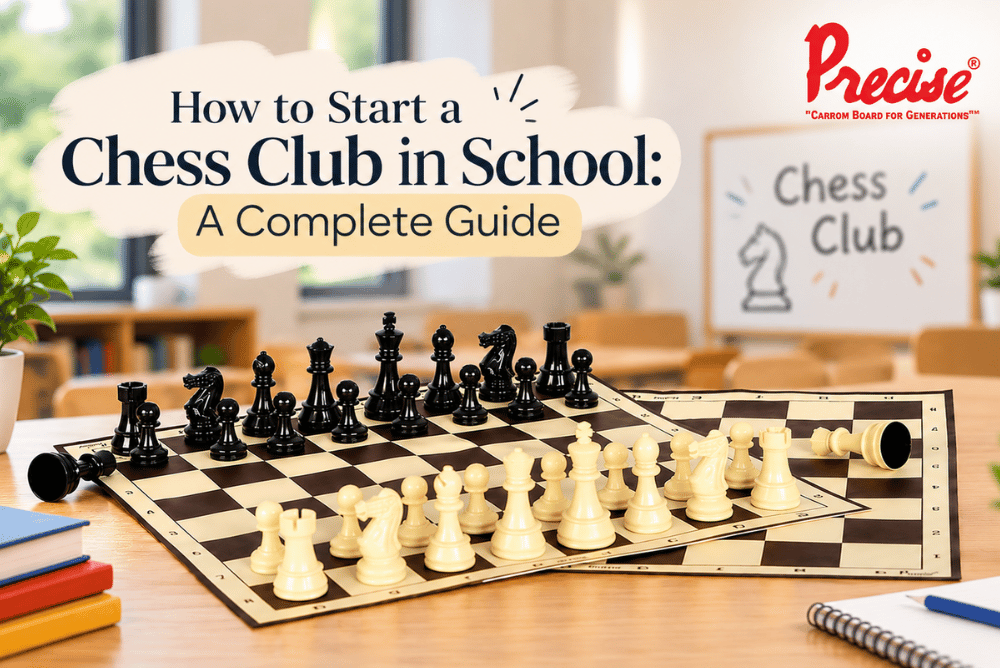
A school chess club gives students a chance to learn chess, practise with their classmates and take part in friendly competitions. Students do not need to be experts to join. Beginners can learn the basics, while experienced players can improve their skills by playing against different opponents. With regular sessions, chess can become an enjoyable indoor activity at school.
If your school is planning to start a chess club, begin with a few simple things: get approval from the school administration, find a teacher to guide the group and arrange the required equipment. You can then plan weekly practice sessions, chess puzzles and friendly matches to keep students interested. This guide explains how to start a chess club in school, choose suitable chess sets, plan student activities and organise a school chess tournament.
Why Start a Chess Club in School?
A school chess club gives students a regular place to learn, practise and enjoy the game beyond their usual classroom activities. Chess encourages students to think before making a move, plan ahead and consider different options. When students play against classmates, they also learn to follow rules, respect their opponents and handle both wins and losses in a positive way. These experiences make chess a useful addition to a school's indoor sports activities.
A chess club can also bring together students from different classes who share the same interest. Beginners can learn from more experienced players, while friendly matches give everyone a chance to practise. Schools can organise weekly chess sessions, puzzle challenges and small competitions to keep students involved. The club does not need to start with a large budget or many members. A few chess sets, a suitable room and a teacher who enjoys guiding students are enough to get things started.
How to Start a Chess Club in School
Starting a school chess club does not have to be complicated. Begin with a small group of interested students and build the club step by step. The school administration can help approve the activity, a teacher can guide the sessions, and a simple weekly schedule can keep everything organised. Here are the main steps to follow.
1. Get Approval from the School Administration
Discuss the idea with the principal or school management before starting the club. Explain how the club will work, which students can join, how often sessions will take place and what equipment is required. A clear plan makes it easier for the school to approve the activity and arrange a suitable space.
2. Find a Teacher or Club Coordinator
Choose a teacher or staff member who can supervise the sessions and help students learn. The coordinator does not need to be a professional chess player, but they should be comfortable guiding activities, keeping track of attendance and making sure students follow the club rules. Experienced students can also help beginners understand the game.
3. Decide Membership and Meeting Times
Invite students to register their interest and decide how many members the club can accommodate. Choose a regular meeting time, such as once or twice a week after classes or during an approved activity period. A fixed schedule helps students plan ahead and makes it easier for the coordinator to organise lessons and practice matches.
4. Choose a Suitable Room
Select a quiet room with enough tables and chairs for students to play comfortably. A classroom, library activity area or indoor sports room can work well. Make sure the space has good lighting and enough room for students to move around without disturbing ongoing games.
5. Set Club Goals and Basic Guidelines
Decide what the club hopes to achieve during the school term. Goals might include helping beginners learn chess, holding regular practice matches or organising an interclass competition. Set a few simple guidelines for attendance, fair play, equipment care and respectful behaviour. These rules give members a clear idea of what to expect and help the club run smoothly.
Chess Club Equipment: What Does a School Need?
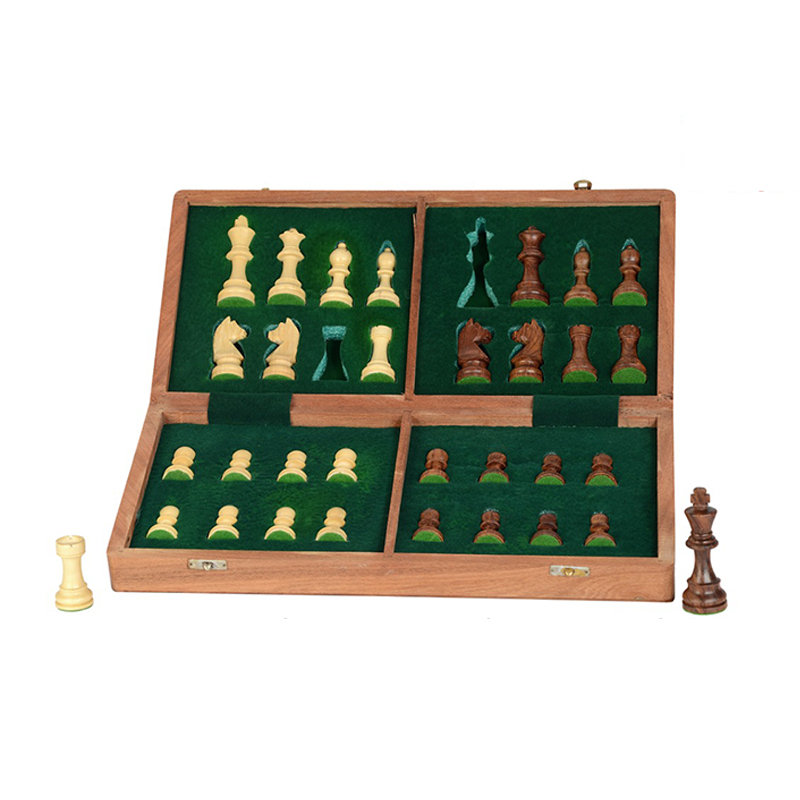
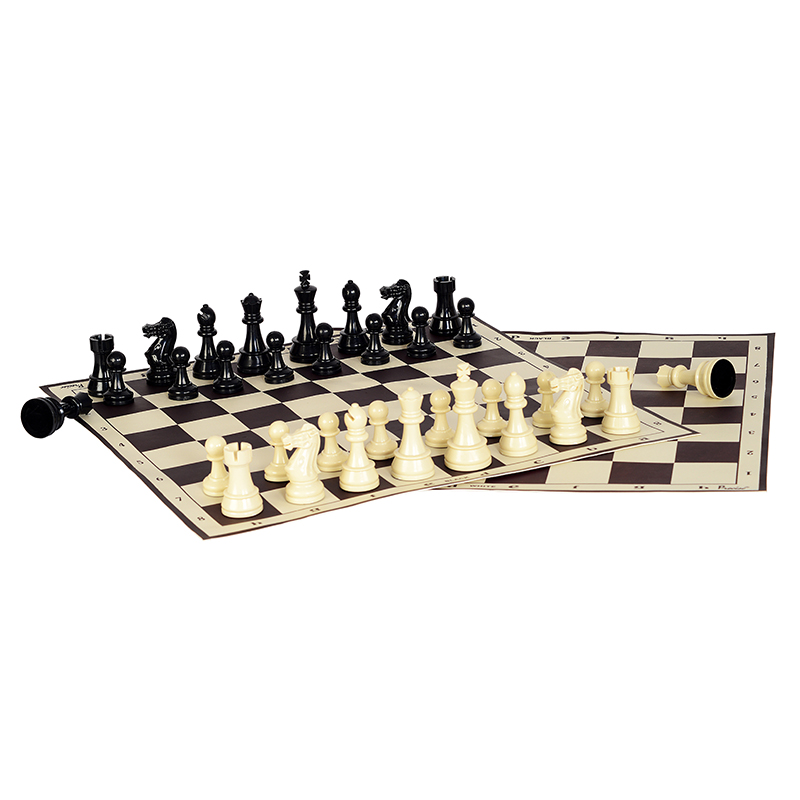
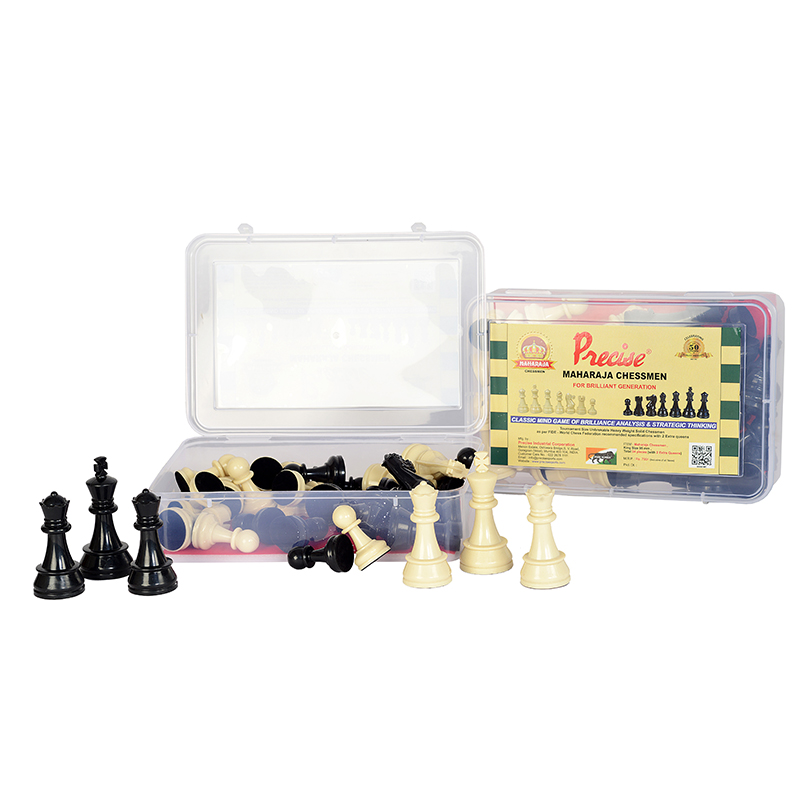
A school chess club can start with a few basic items. The main requirement is a good chess set for students to practise and play matches. Each set should include a chessboard and all 32 chess pieces. Schools should choose sets that are easy to handle, sturdy enough for regular use and suitable for the age of the students. If several students attend each session, having enough sets will help reduce waiting time and give everyone more time to play.
Apart from chess sets, a few extra items can make club sessions easier to manage. Tables and chairs provide a comfortable playing space, while a notebook or score sheets can help students record their games and track progress. Chess clocks are useful when students begin playing timed matches or preparing for competitions, but beginners do not need them straight away. Schools can add more equipment as the club grows, rather than buying everything at once.
How Many Chess Sets Does a School Need?
The number of chess sets a school needs depends on how many students attend each session and how the club is organised. Since one chess set is normally shared by two players, a school planning for 20 students to play at the same time should have around 10 chess sets. If more students are expected to join later, keeping one or two extra sets can be useful. This also helps when a set is incomplete or a piece goes missing.
Before buying chess sets for schools, consider the age of the students, how often the equipment will be used and the available budget. For a small club, start with enough sets for the first group and add more as membership grows. For a larger club or school tournament, plan for multiple games to run at once. Choose durable sets that are easy to store and set up, so teachers can manage them without spending too much time preparing each session.
Chess Set Planning Guide
|
Students playing at the same time |
Chess sets needed |
|
10 students |
5 sets |
|
20 students |
10 sets |
|
30 students |
15 sets |
|
40 students |
20 sets |
These estimates assume all students play in pairs at the same time. Extra sets may be needed for larger events or replacements.
Chess Activities for Students
A school chess club should be more than a place where students sit and play regular games. Plan different chess activities for students so beginners can learn at their own pace and experienced players can keep improving. You can begin each session with a short lesson or puzzle, followed by practice games. Once students become comfortable with the rules, introduce friendly challenges and small competitions. These activities keep sessions interesting and give students a reason to return each week.
Try changing the activities every week instead of following the same routine. For example, one session can focus on solving chess puzzles, while another can include a timed game or a friendly match between different classes. Let students take turns choosing puzzles or helping organise games. This gives them a sense of involvement and makes the club more enjoyable for everyone.
Activities to Try in a School Chess Club
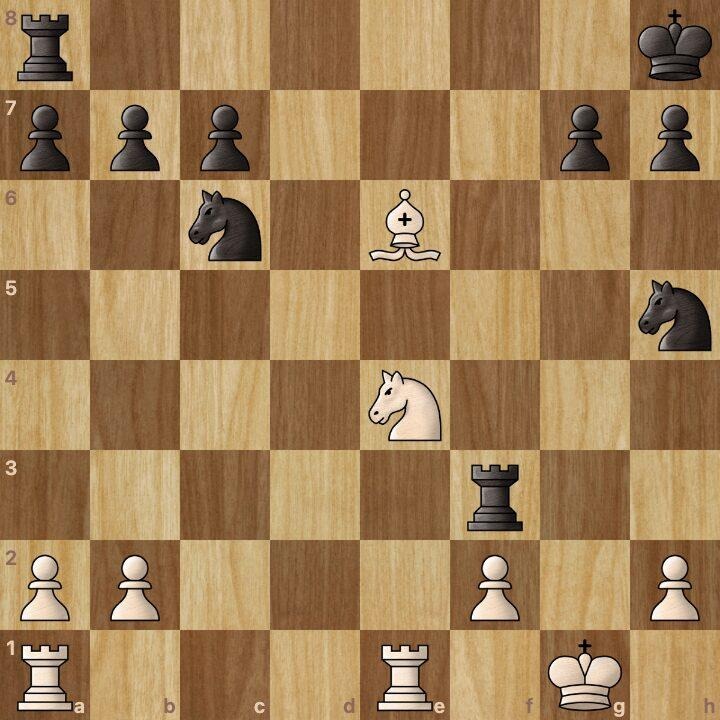
1. Chess Puzzles and Challenges
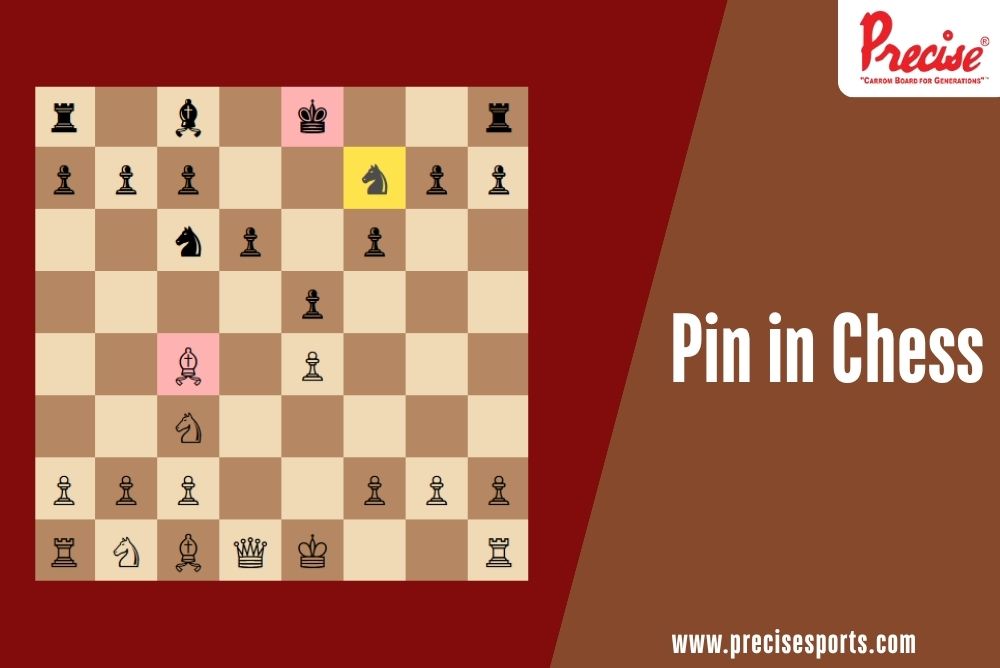
Give students a position to solve, such as finding a checkmate in one or two moves. Start with easy puzzles and increase the difficulty as their skills improve.
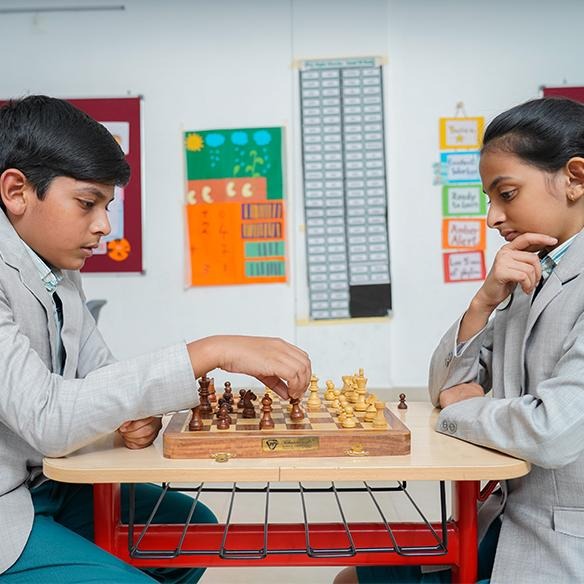
2. Weekly Practice Matches
Pair students for friendly games and encourage them to think before each move. Rotate opponents so students get to play against different styles.
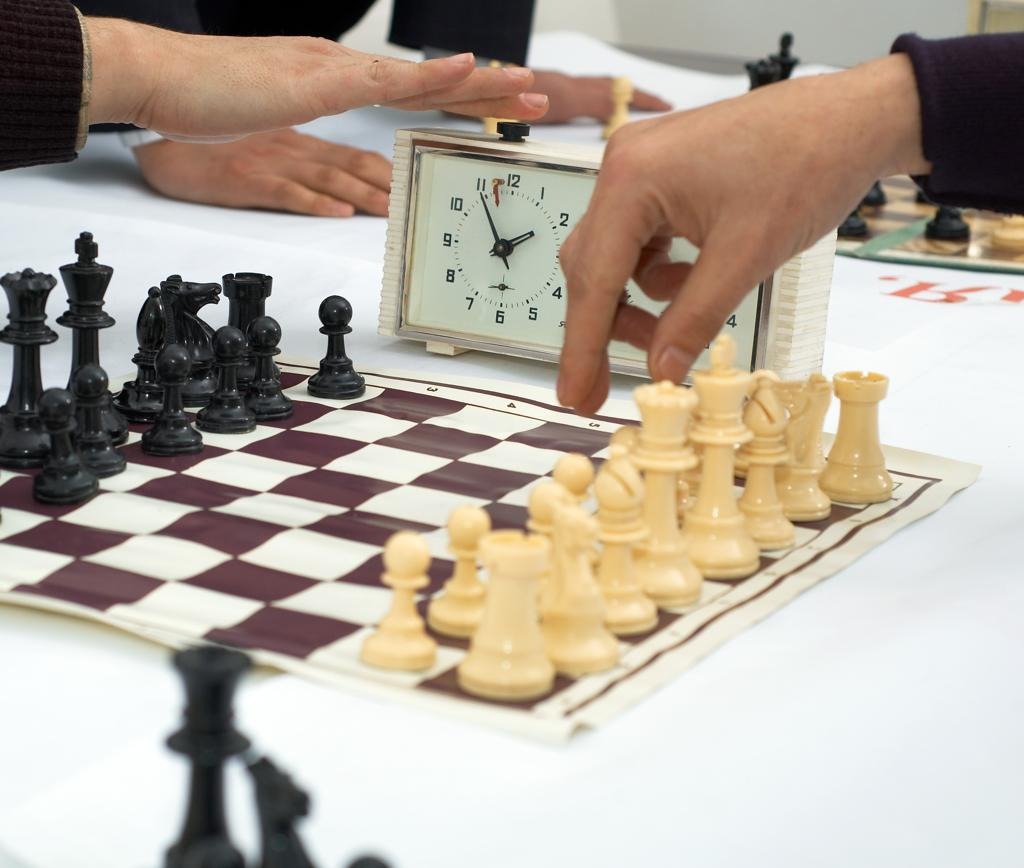
3. Timed Chess Games
Introduce a chess clock when students understand the basics. Timed games teach them to manage their time and make decisions under pressure.
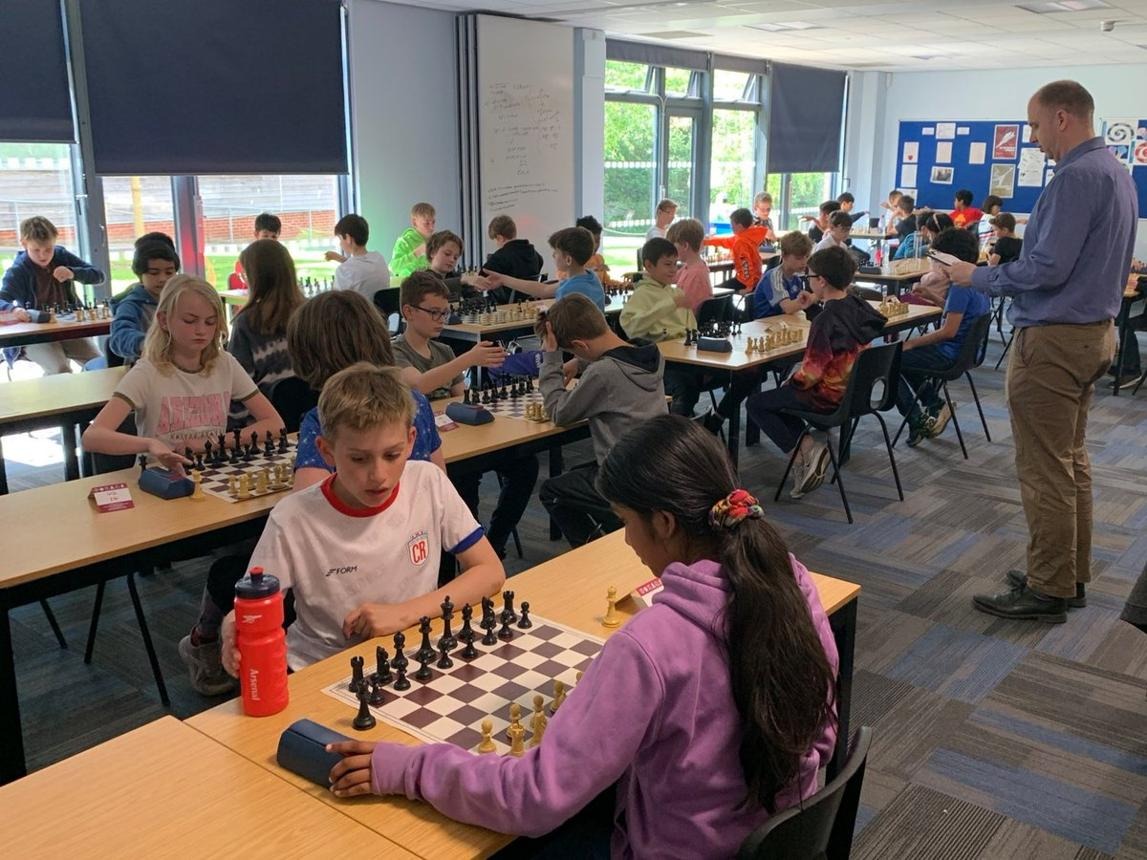
4. Friendly Class Competitions
Organise small matches between classes or groups. Keep a simple leaderboard to record results, while encouraging fair play and respectful behaviour.
How to Organise a School Chess Tournament
A school chess tournament gives students a chance to test what they have learned and play against classmates in a friendly competition. Start by deciding which classes or age groups can participate, how many students will join and how much time the school can set aside for the event. Choose a tournament format that suits the number of players. A knockout format works well for a short event, while a round robin format allows each player to face every other player in their group but needs more time.
Once the format is decided, open registration, prepare the match schedule and arrange enough chess sets for the games. Assign a teacher or coordinator to supervise matches, record results and answer questions about the rules. Share the schedule with students before the event and explain how winners will be decided. At the end, announce the results and recognise participants with certificates or prizes. The aim is to give students a fair and enjoyable experience, whether they win or are taking part in their first competition.
Steps to Plan the Tournament
-
Set the date and categories: Decide the venue, age groups and number of participants.
-
Choose the format: Select knockout, round robin or a suitable combination.
-
Arrange equipment: Prepare chess sets, clocks if needed, score sheets and tables.
-
Create the fixtures: Share match pairings and timings before the event.
-
Assign officials: Ask teachers or coordinators to supervise games and record results.
-
Announce the winners: Verify scores and recognise students for their participation and performance.
Tips for Running a Successful School Chess Club
A school chess club works best when students enjoy attending and feel comfortable learning at their own pace. Keep sessions regular, but avoid making every meeting feel like a formal lesson. Some students may want to learn the basics, while others may be ready for challenging puzzles or timed games. Plan activities for different skill levels so beginners do not feel left behind and experienced players still have something new to learn.
It also helps to give students small responsibilities, such as arranging chessboards, recording match results or helping prepare weekly puzzles. Encourage members to respect their opponents, follow the rules and learn from mistakes instead of focusing only on winning. Ask students which activities they enjoy and use their feedback to plan future sessions. A welcoming atmosphere, a little variety and a consistent schedule can help the club grow over time.
Practical Tips to Follow
-
Keep a regular schedule: Choose a fixed day and time for meetings.
-
Welcome beginners: Start with simple lessons and easy puzzles.
-
Mix up activities: Include practice games, challenges and friendly competitions.
-
Encourage fair play: Teach students to respect opponents and accept results gracefully.
-
Take care of equipment: Count the pieces after sessions and store chess sets properly.
-
Review progress: Ask for feedback and adjust activities to suit the group.
Why Choose Precise Sports for School Chess Equipment?
Choosing the right chess equipment helps schools run regular practice sessions, classroom activities and chess competitions with ease. Schools should look for chess sets that are suitable for students, easy to handle and durable enough for frequent use. Having the right number of sets also allows more students to play at the same time without waiting too long for their turn.
Precise Sports offers sports equipment for schools, educational institutions and other organisations. Schools planning to start a chess club can explore the available chess products and select equipment based on their number of students, playing space and budget. Before placing an order, check the product specifications, quantity requirements and available options to find suitable equipment for regular practice and school tournaments.
FAQs
1. How do you start a chess club in school?
Start by getting approval from the school administration. Find a teacher or coordinator, decide the meeting schedule, invite students and arrange enough chess sets for practice. Begin with simple activities and gradually introduce friendly matches and competitions.
2. What equipment is needed for a school chess club?
A school chess club needs chessboards, chess pieces, tables and chairs. Chess clocks are useful for timed games and tournaments. Score sheets and storage boxes can also help students record results and keep the equipment organised.
3. How many chess sets does a school need?
A school needs one chess set for every two students playing at the same time. For example, 20 students need around 10 chess sets. Schools can keep a few extra sets available in case pieces are lost or damaged.
4. What activities can students do in a chess club?
Students can solve chess puzzles, practise opening moves, play friendly matches, participate in timed games and take part in class competitions. These activities help beginners learn while giving experienced players opportunities to improve.
5. How can a school organise a chess tournament?
Choose a date, decide the age groups and select a tournament format, such as a knockout or round robin. Prepare the fixtures, arrange chess equipment, appoint teachers or volunteers to manage the games, and announce the results after the tournament.
6. Can beginners join a school chess club?
Yes. A school chess club can welcome students of all skill levels. Beginners can learn how the pieces move and understand the basic rules before progressing to puzzles, practice games and competitions.
Conclusion
If you are wondering how to start a chess club in school, begin with a few simple steps: get approval from the school administration, find a teacher to guide students, set a regular meeting schedule and arrange suitable chess equipment. Start with basic chess lessons, puzzles and friendly matches to help students learn at their own pace.
With regular practice, fun activities and opportunities to participate in school chess tournaments, the club can become an enjoyable learning space for beginners and experienced players. Choose suitable chess sets, encourage fair play and help students improve their skills one game at a time.