How to Avoid Common Mistakes in Chess?

What Are the Common Mistakes to Avoid While Playing Chess?
Chess is a game of focus, patience, and smart planning, but even the best players make mistakes in chess. These errors can turn a winning position into a losing one in just a few moves. Whether you are a beginner or an experienced player, understanding the common chess mistakes will help you improve your game and avoid unnecessary losses
In this blog, we will go through the most common mistakes in chess that players make during the opening, middlegame, and endgame. We will also discuss simple ways to avoid them and how practicing with the right tools, like Precise Sports chess boards and accessories, can make a difference. By the end, you will know how to play more confidently, spot mistakes early, and enjoy the game while improving your skills.
Common Mistakes to Avoid in Chess
Every player, from beginners to advanced, makes mistakes in chess that can change the entire game. These mistakes usually happen in three stages: the opening, middlegame, and endgame.
Opening Mistakes in Chess
- Ignoring Piece Development – Many beginners move the same piece multiple times or push too many pawns early on. This wastes valuable time and leaves other pieces stuck on their starting squares. Good development means bringing out knights and bishops quickly and connecting the rooks for strong coordination.
- Weak Opening Play – A common opening mistake is neglecting the center. The central squares (e4, e5, d4, d5) give your pieces space and influence. Without proper control, you limit your attacking chances and give your opponent the initiative.
- Not Castling on Time – Leaving the king in the middle is risky. Beginners often delay castling because they want to keep attacking. However, a king in the center can quickly become a target, especially once the position opens up. Castling early secures the king and brings a rook into play.
Middlegame Mistakes in Chess
- Overlooking Opponent’s Threats – Many players focus only on their own plan, ignoring what the opponent is trying to do. This often leads to missed tactics and sudden blunders. Always ask, “What is my opponent threatening?” before making a move.
- Hanging Pieces – Losing pieces “for free” is one of the most frequent chess mistakes. Players overlook undefended pieces or miscalculate an exchange. To avoid this, double-check each move to ensure all your pieces are protected.
- Poor Time Management – In timed games, players either rush their moves without calculation or spend too long thinking about one position. Both approaches can be costly. Use time wisely by balancing quick, confident decisions with deeper calculation in critical moments.
- Tunnel Vision – Some players attack only on one side of the board, forgetting the rest. This narrow focus causes them to miss opportunities or threats elsewhere. A strong middlegame requires scanning the whole board for ideas, not just where you want to play.
Endgame Mistakes in Chess
Neglecting Endgame Basics – Many players reach the endgame without understanding key principles like king activity, opposition, or pawn promotion techniques. As a result, they either fail to convert a winning position or lose a drawn one. Learning basic endgame patterns is essential for long-term improvement.
How to Avoid Chess Mistakes?
Reducing mistakes in chess comes from careful thinking, learning from experience, and practicing regularly. Players who focus on smart habits and follow strong strategies can avoid common errors and improve their game.
Think Before Every Move
Each move affects the game, so spend time planning carefully. Ask questions like, “What is my opponent planning?” or “Which of my pieces could be at risk?” Careful thinking helps catch hidden threats and prevents costly chess mistakes. Moving too quickly often leads to lost pieces or weak positions, so patience is key.
Follow Basic Chess Principles
Control the center of the board to give your pieces more freedom and stronger positions. Protect the king by castling early to avoid surprise attacks. Develop all pieces efficiently instead of moving the same piece multiple times unnecessarily. Keep pawns organized to maintain a strong defense and reduce vulnerabilities.
Learn from Past Games
Reviewing previous matches highlights repeated mistakes in chess. Notice where errors happen in openings, middlegame attacks, and endgame positions. Analyzing games teaches better decision-making and prevents repeating the same mistakes.
Practice Regularly
Regular practice strengthens decision-making and reduces common chess mistakes. Solve chess puzzles, play against stronger opponents, and focus on timing and strategy during games. Consistent practice builds confidence and helps players remain calm in challenging situations.
Practice Smarter with Precise Chess Boards
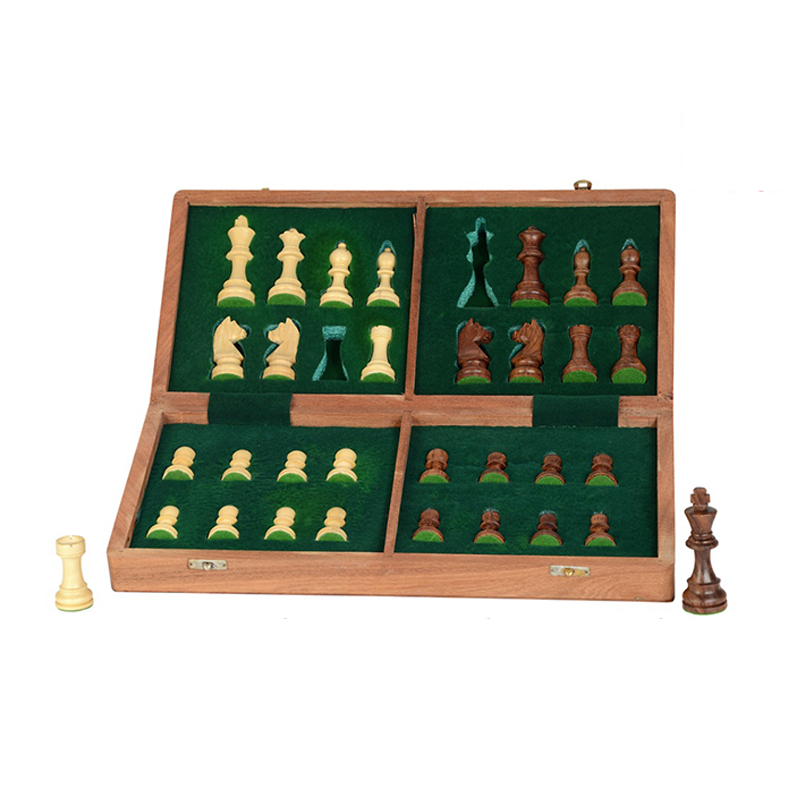
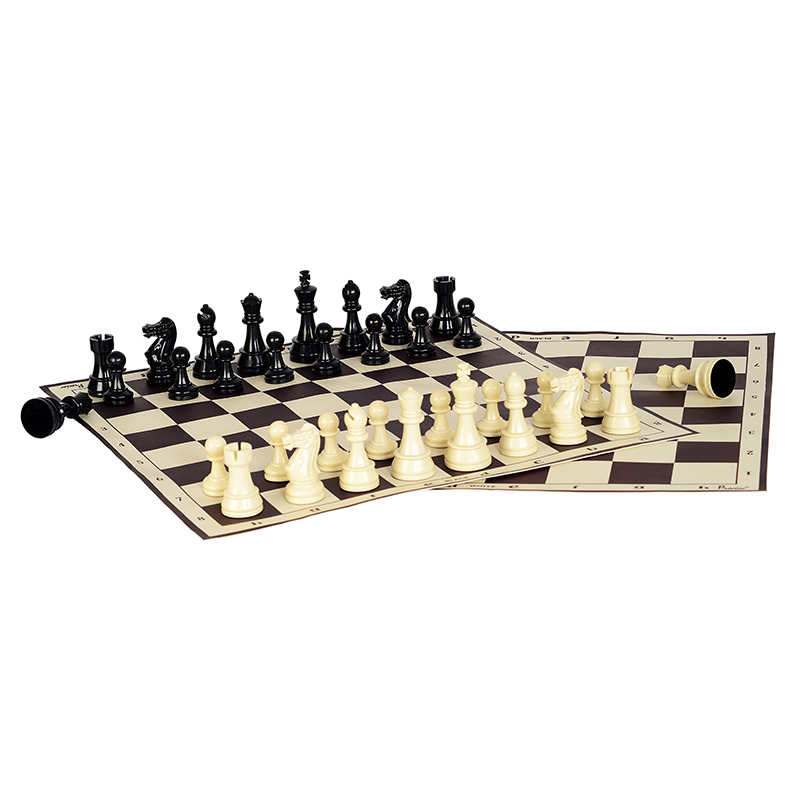
Regular practice helps reduce mistakes in chess, but using the right tools makes learning more effective. Precise Sports offers a range of high-quality chess boards and accessories designed to enhance your playing experience. The Precise Emperor Series Chess Board Set features luxury wooden hand-carved chessmen with felted bases, housed in a wooden folding chess board cabinet. This set provides a professional feel, helping players focus on strategies and avoid common chess mistakes. For portability, the Precise Jupiter Tournament Rollable Vinyl Chess Mat offers a 20” x 20” board size, adhering to FIDE's international tournament specifications, making it ideal for practice and competitive play.
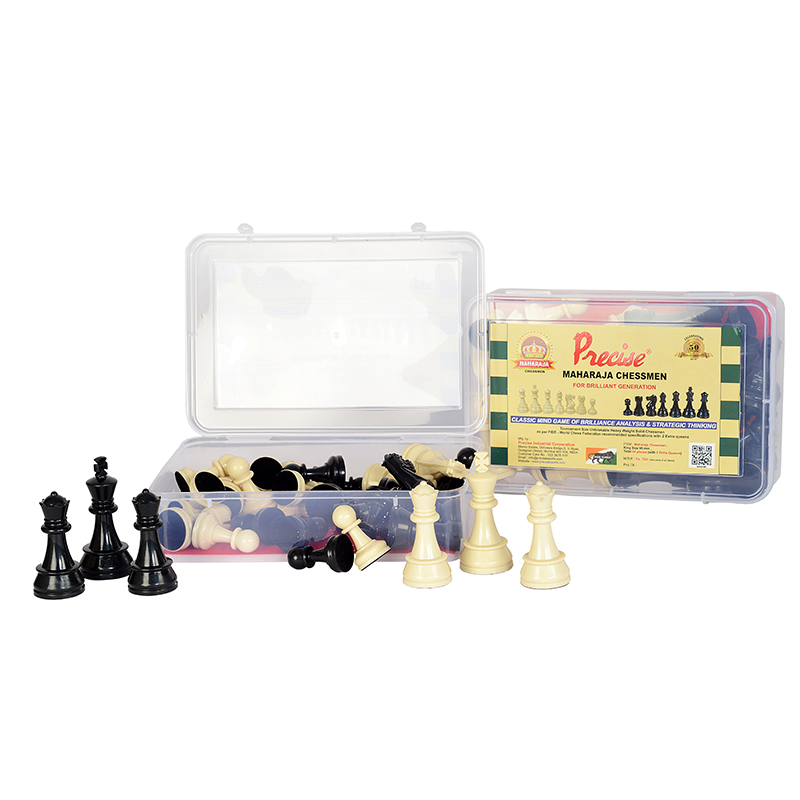
Structured and thoughtful practice improves skills over time. Players can focus on openings, middlegame, and endgame, taking time to plan each move carefully and spot errors before they become costly. Incorporating accessories like Precise Victor Chessmen Precise Victor Chessmen, known for their durability and felted bases, enhances the playing experience. Practicing with friends or family using these quality boards and pieces makes learning enjoyable, encourages critical thinking, and builds confidence. Consistent use of Precise Sports products helps players sharpen strategies while enjoying the game.
FAQs
-
How important is thinking before a move in chess?
Careful thinking reduces mistakes in chess and helps plan better strategies.
-
Are beginners more prone to mistakes in chess?
Yes, beginners often miss threats and make opening or endgame errors.
-
How do chess puzzles help reduce mistakes?
Solving puzzles trains your mind to spot threats and avoid common chess mistakes.
-
Can online chess games help avoid mistakes?
Yes, they provide practice and allow reviewing moves to learn from errors.
-
Do chess clocks affect mistakes in chess?
Yes, managing time well reduces rushed moves and prevents careless mistakes.
Conclusion
Mistakes in chess are natural, but understanding them and learning how to avoid them makes a player stronger. From opening errors to middlegame oversights and endgame blunders, knowing common mistakes in chess helps you plan better and play with confidence.
Using quality tools like Precise Sports chess boards and accessories such as the Heritage Brass Chess Set, Jupiter Rollable Mat, and Marshal Chessmen can make practice more effective. Structured practice, careful thinking, and reviewing past games reduce errors and improve strategies. By focusing on smart habits and using the right equipment, every player can enjoy chess, avoid mistakes, and continuously improve their game.