Benefits of Playing Chess For Kids
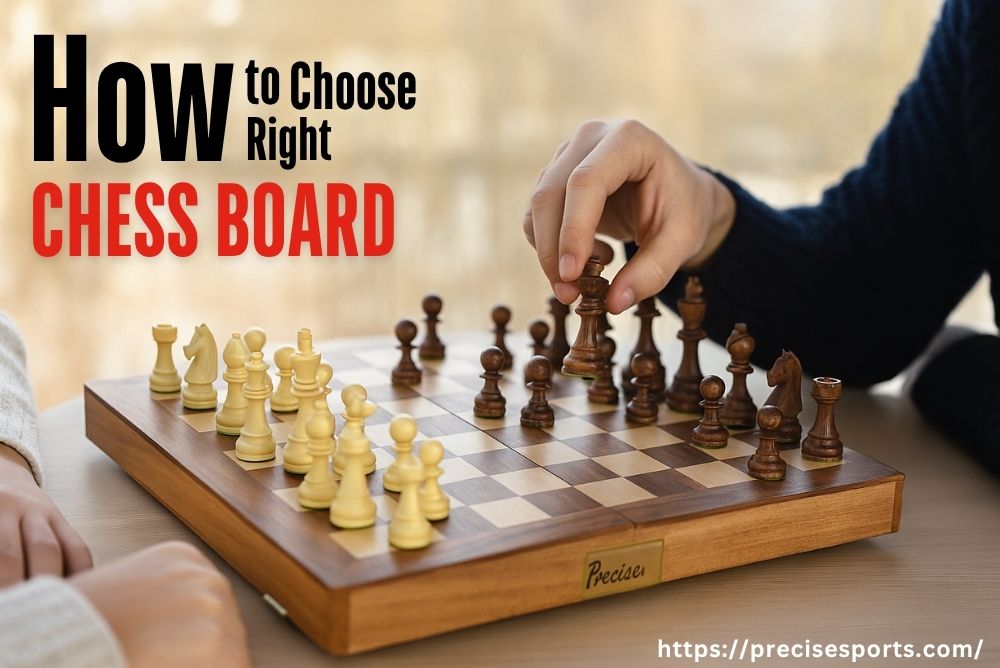
Chess is more than just a game, it’s a powerful tool that shapes a child’s mind and helps them grow smarter in many ways. Many parents search for activities that not only entertain but also improve their child’s focus, patience, and problem-solving skills. Among all options, chess stands out as fun, educational, and meaningful. When kids sit at the chessboard, they learn to plan ahead, think carefully before making a move, and deal with challenges calmly. These habits go beyond the game, often helping children perform better in school, make wiser decisions, and build confidence in everyday life.
In today’s fast-moving digital world, giving children a healthy, brain-boosting hobby has become very important. Chess is one such hobby that develops concentration, strengthens patience, and keeps them away from unhealthy distractions. For many families, it has become more than just play; it's a way to bond and grow together. In this blog, we’ll look at the benefits of playing chess with your kids, how to make them excited about the game, the importance of joining clubs or tournaments, whether chess can improve academic performance, and why it’s not only great for kids but for adults too.
Benefits of Playing Chess with Your Kids
Playing chess with your kids is more than just a fun activity. It is a powerful tool that shapes their mind, improves life skills, and builds stronger family bonds. The game teaches children how to think smart, stay patient, and handle both success and failure in a healthy way. Below are some of the key benefits that make chess an excellent choice for kids.
Improves Problem-Solving Skills
Chess is like a puzzle where every move matters. When children play, they learn how to think step by step before making a choice. For example, if they move a piece without planning, they may lose it. This experience teaches them to pause, check their options, and pick the smartest move. Over time, this habit helps them solve math problems, handle tricky questions, and even make better choices in daily life.
Builds Patience and Focus
In today’s world of mobile games and quick entertainment, kids often lose focus easily. Chess works like an exercise for the brain that demands attention and patience. While playing, children must stay calm, wait for their turn, and watch their opponent’s moves carefully. This focus improves their ability to sit through study sessions, complete homework on time, and handle tasks with a clear mind.
Teaches Planning and Decision-Making
Every game of chess is about planning ahead. Kids quickly realize that one careless move can change the result of the game. This lesson builds the skill of thinking before acting. They also learn that decisions have consequences—good or bad. This kind of practical training makes them better planners in school projects, sports, and personal goals.
Encourages Sportsmanship and Confidence
Winning brings happiness, but losing teaches a bigger lesson. Chess shows children that mistakes are part of learning. Instead of feeling upset, they learn to start again with a better plan. This habit builds emotional strength and a never-give-up attitude. With time, their confidence grows because they understand that both success and failure are steps toward improvement.
Strengthens Parent-Child Bond
Playing chess together gives parents and children quality time without distractions. Instead of spending hours on screens, both sit face to face, talk, laugh, and think together. This regular interaction builds trust, open communication, and beautiful memories. For parents, it’s also a chance to guide their kids in a fun way while sharing valuable life lessons.
When is the Best Time to Teach Chess to Kids?
Teaching chess to children at the right age makes learning easier and more enjoyable. Kids who are introduced to the game early tend to develop stronger focus, sharper memory, and better problem-solving skills. While every child is different, experts suggest there are certain stages when teaching chess works best.
Start Between Ages 5 and 7
This age is considered the ideal time to introduce chess. Children at this stage are curious, eager to learn, and beginning to understand rules. They can grasp basic moves like how pawns, rooks, and knights work. Introducing the game early gives them plenty of time to practice and improve as they grow.
Adapt to the Child’s Interest and Pace
Some kids may show interest in chess earlier, while others may take more time. The best time to teach is when the child shows excitement or curiosity. Parents should keep lessons short, fun, and simple instead of making it feel like homework. By matching the learning pace with the child’s comfort, the game becomes enjoyable rather than stressful.
How to Get Your Child Excited About Chess
Children love activities that are fun, colorful, and rewarding. If chess feels too strict or serious, they may lose interest quickly. The key is to make the game enjoyable and interactive while slowly teaching them its value. Here are some practical ways to keep your child excited about learning chess.
Turn Learning into a Game
Start small instead of teaching every rule at once. Introduce basic moves first and let them play with only a few pieces. Fun mini-games, like trying to checkmate with just a rook and king, make learning less stressful and more playful.
Celebrate Small Wins and Efforts
Kids stay motivated when their achievements are noticed. Praise their patience, clap for clever moves, and cheer them on even if they lose. Celebrating efforts, not just victories, helps them stay confident and eager to improve.
Use Stories and Characters
Children connect better when the game feels alive. Describe chess pieces as characters, knights as horses, pawns as brave soldiers, or the queen as the most powerful hero. Turning chess into a story adds excitement and keeps kids engaged.
Introduce Friendly Competitions
Kids love a little challenge. Organize short matches with parents, siblings, or friends. Keep the games light and cheerful, focusing more on fun than winning. Small competitions build excitement and give them a reason to practice.
Mix Chess with Technology
If your child enjoys using gadgets, try chess apps or animated tutorials. Many apps make chess colorful and interactive, which grabs children’s attention. Mixing traditional play with digital tools balances fun with learning.
Chess for Kids: How to Introduce It?
Introducing chess to kids should feel simple and fun, not overwhelming. The goal is to make the game approachable while slowly building their skills. By breaking it down step by step, parents can help children enjoy chess and gain confidence as they learn.
Start with the Basics
Begin by teaching the names of the pieces and how they move. Keep it light show them how pawns take small steps, how knights jump, and how the queen moves in all directions. Explaining with examples makes it easier for kids to remember.
Teach Through Short Games
Instead of playing a full match right away, try mini-games. For example, let your child play only with pawns or practice checkmating with a rook and king. These smaller challenges make the game less confusing and more enjoyable.
Make Learning Visual and Fun
Kids learn faster with visuals. Use a colorful chessboard, animated videos, or drawings that explain the moves. The more lively and playful the teaching method, the more excited children will be to learn.
Encourage Regular Practice
Consistency is key. Even playing for 10–15 minutes a day helps kids remember moves and strategies. Short and frequent practice sessions work better than long, tiring games.
Play Together and Guide Gently
Children feel more confident when parents join them in the game. Play side by side, give gentle guidance, and let them figure out some moves on their own. This teamwork builds both skills and family bonding.
Buy Your Chess Board from Precise Sports
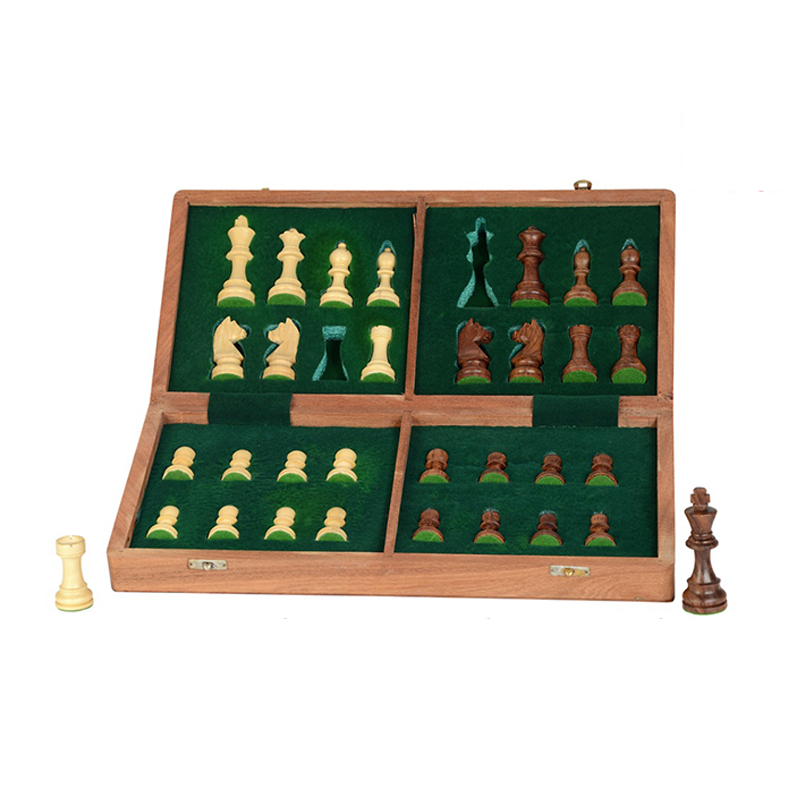
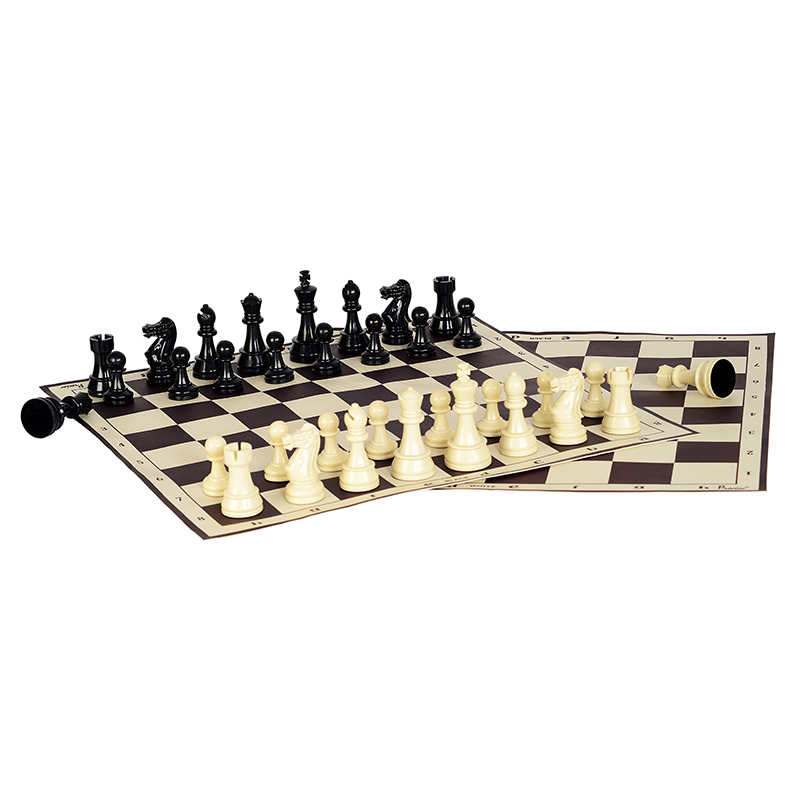
When you're looking for a chess board that truly helps your child learn and enjoy the game, Precise Sports offers excellent options designed with quality and practicality in mind. Their collection includes sturdy wooden and vinyl chess boards mats crafted specifically for children, as well as more advanced players who appreciate thoughtful design and durability. Whether you choose a compact flat board ideal for space-saving and portability, or a tournament-grade Majestic set sized at 20″×20″, each board is made to stand up to repeated use and keep kids focused on the game, not on worn-out gear.
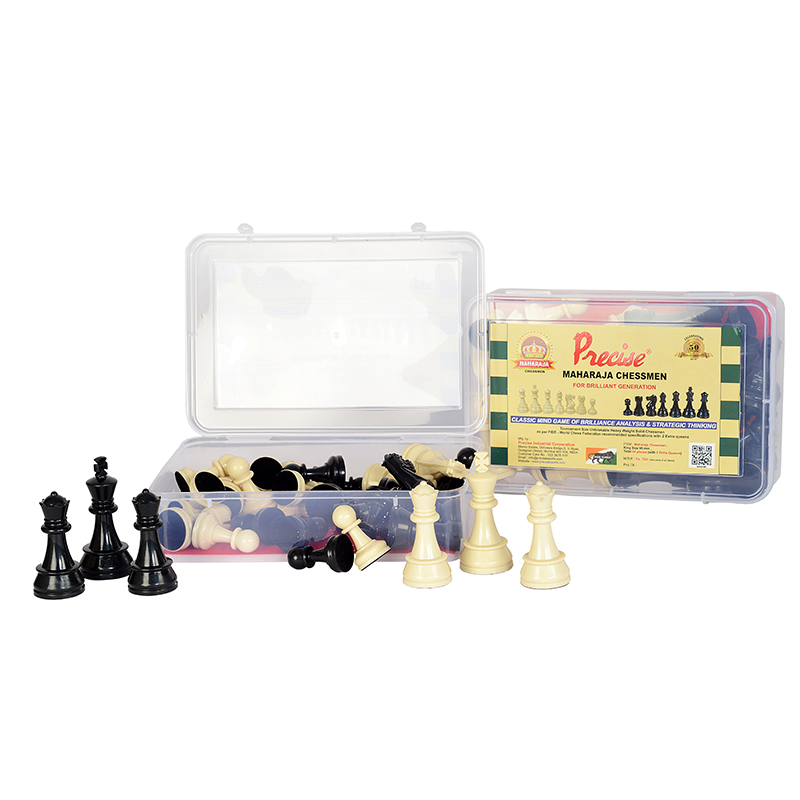
Beyond the board itself, Precise Sports provides a wide range of accessories to elevate the experience. Their accessories section includes chessmen styled for clarity and balance such as the Champion chessmen, which are unbreakable, solid plastic with felted bases and a comfortable 95 mm king height, perfect for small hands and sustained play. From complete travel sets to replacement pieces or premium tournament-style options, parents can choose accessories that match both their child’s age and playing interest. By selecting a chess board and accessories from Precise Sports, you’re investing in durable, thoughtfully designed tools that make learning chess a smoother, more exciting journey for your child.
FAQs
-
How long should kids practice chess each day?
For beginners, 15–20 minutes a day is enough. Short and regular practice sessions help kids understand the game better without feeling bored or pressured.
-
Do kids need coaching to learn chess?
Not always. Parents can introduce the basics at home, and many free apps or books can help kids learn. However, if a child shows deep interest, joining a chess club or coaching class can improve their skills faster.
-
Is chess too difficult for younger children?
No, chess can be made simple by teaching step by step. Start with basic moves and short games. With patience and playful teaching, even younger children can enjoy and learn chess easily.
-
Can playing chess reduce screen time for kids?
Yes, chess is an engaging offline activity. It keeps children busy, sharpens their mind, and gives them a healthy alternative to mobile games and TV.
-
Can chess help children who are shy or less confident?
Definitely. Chess builds self-confidence as kids learn to make decisions on their own. Winning games, improving skills, and getting encouragement from parents make shy children more confident over time.
Conclusion
Chess is not just a board game, it is a powerful way to shape a child’s mind and character. By playing chess, kids learn focus, patience, problem-solving, and decision-making, all of which help them in studies and daily life. It also teaches them how to handle wins and losses with confidence, making them stronger emotionally. When parents play chess with their children, it turns into quality family time that strengthens bonds and creates memories beyond the board.
In today’s digital world where kids often spend hours on screens, chess offers a refreshing and meaningful alternative. It keeps children engaged in a healthy way while developing life skills that last long into adulthood. To give your child the best start, invest in a durable and high-quality chess board from Precise Sports, where products are carefully designed to make learning fun and effective. With the right tools and encouragement, every child can enjoy chess, grow with it, and carry its lessons far beyond the game.